Orlando Metropolitan Area stretches well beyond Walt Disney World's front gate, covering a broad network of cities - from Lake Nona and UCF to Lake Mary and Mount Dora - each with its own access points, crowd levels, and price dynamics. Travelers searching for 3-star hotels here are typically looking for clean, reliable stays with essential amenities, positioned strategically near the region's theme parks, convention centers, or airports, without paying premium resort rates. This guide breaks down the most practical options across the metro, helping you match your location to your actual itinerary.
What It's Like Staying in Orlando Metropolitan Area
Orlando Metropolitan Area is one of the most visited regions in the United States, anchored by Walt Disney World, Universal Studios, SeaWorld, and the Orange County Convention Center - drawing tens of millions of visitors annually. The metro covers a wide geographic footprint, meaning your hotel's zip code directly impacts your daily commute to attractions, with some outer-zone properties sitting around 30 km from the main theme park corridors. Traffic on I-4 is a real logistical factor: peak hours between 7-9 AM and 4-7 PM can add significant time to any drive, making proximity to your primary destination more valuable than it might appear on a map.
Crowd patterns vary sharply by zone - the International Drive corridor and Disney Springs area are consistently busy year-round, while neighborhoods like Lake Nona, Lake Mary, and UCF run on a much quieter rhythm, better suited to travelers who want easy airport access or a campus-adjacent base. Staying outside the tourist core typically cuts accommodation costs noticeably while still keeping major attractions within a 20-35-minute drive.
Pros:
- Massive range of attractions within the metro - theme parks, outlet shopping, and convention events are all accessible from most zones
- Well-developed road network with highway access from nearly every suburb makes self-drive navigation straightforward
- Hotels outside the resort corridor offer significantly lower nightly rates with similar or better amenity levels
Cons:
- Car dependency is near-total - public transport connections between suburban zones and theme parks are extremely limited
- I-4 congestion makes drive times unpredictable, especially during school holidays and convention weeks
- Outer-metro locations like Mount Dora or Lake Mary add meaningful distance to Disney or Universal visits without a direct highway shortcut
Why Choose 3-Star Hotels in Orlando Metropolitan Area
In Orlando's highly competitive lodging market, 3-star hotels occupy a practical sweet spot: they consistently deliver outdoor pools, free WiFi, on-site fitness centers, and daily breakfast options at nightly rates that sit well below the resort-branded properties clustered around International Drive. While 4- and 5-star options in the area often charge premium rates tied to resort fees and theme park proximity, 3-star properties across the metro frequently skip mandatory resort fees, which can save travelers around $30 per night compared to similarly located resort-tier hotels. Room sizes at 3-star level in Orlando tend to be functional rather than spacious - expect standard queen or king configurations with basic kitchenette availability at extended-stay brands.
The main trade-off is atmosphere: 3-star hotels in outer zones like UCF, Lake Nona, or Lake Mary prioritize efficiency over experience, with limited on-site dining and no elaborate resort programming. For families, convention attendees, or airport-transit travelers, this category delivers a high practicality-to-cost ratio that resort properties rarely match outside of promotional periods.
Pros:
- Free parking is standard at most 3-star properties in the metro, a meaningful saving given Orlando's car-centric layout
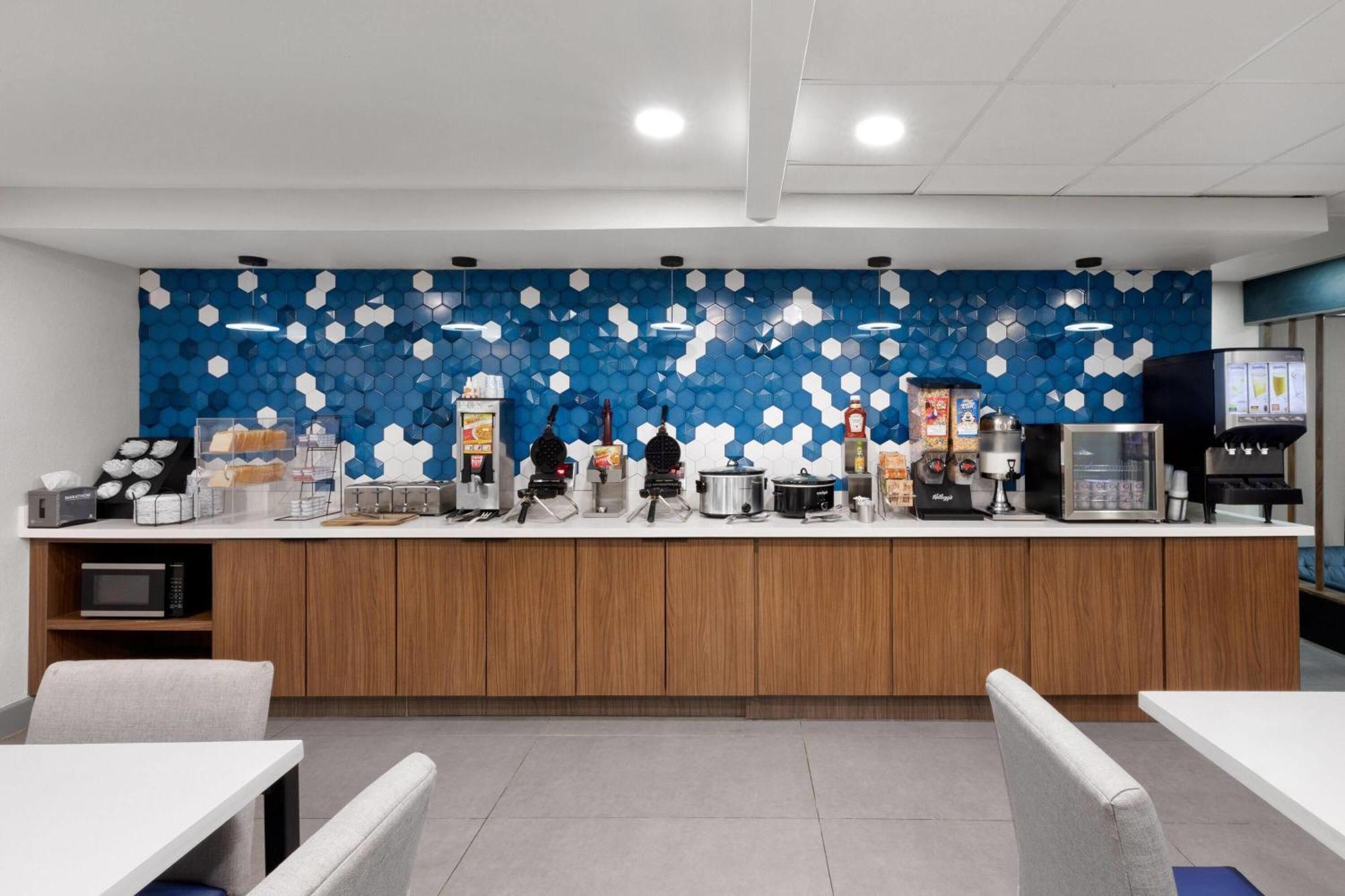
- Breakfast inclusion at several properties eliminates one daily meal cost, which adds up quickly for families or multi-night stays
- Extended-stay room formats with kitchenettes are available at this tier, reducing reliance on restaurant dining
Cons:
- On-site dining is typically limited to breakfast only - no full-service restaurants or evening room service
- Pool areas and fitness centers are functional but modest - not comparable to resort-grade amenity packages
- Properties in the outer metro zones require a car for all activity access, with no walkable dining or entertainment districts nearby
Practical Booking & Area Strategy
Orlando Metropolitan Area divides into distinct stay zones, each suiting a different travel profile. The UCF/East Orlando corridor works best for travelers combining a theme park visit with university events or business at nearby tech campuses, with highway access to downtown Orlando in under 25 minutes. Lake Nona sits just 7 km from Orlando International Airport, making it the most logical base for early-departure itineraries or short layover stays, with SeaWorld reachable in around 30 minutes by car. Lake Mary and Sanford, positioned north of the city, appeal to travelers visiting multiple days who want to avoid the I-4 tourist corridor entirely - Orlando Sanford International Airport is only 13 km from Lake Mary hotels, and weekday rates in this zone tend to undercut the resort-area average.
Mount Dora, located around 43 km northwest of downtown Orlando, functions as a genuine alternative base for travelers who prefer a quieter small-town environment with antique markets and lakefront dining, while keeping Universal Studios and Walt Disney World within a manageable drive. Book at least 6 weeks ahead for any stay during school holiday windows (mid-June through August, December, and spring break weeks in March), as 3-star inventory in popular corridors like UCF and Lake Nona sells out faster than resort hotels due to lower room counts. For off-peak travel between September and November, last-minute rates at outer-metro 3-star properties can drop noticeably, rewarding flexible travelers.
Best Value Stays
These properties offer strong practicality at competitive nightly rates, positioned across the metro to suit different logistical priorities - from airport proximity to theme park access.
-
1. Fairfield Inn & Suites Orlando East/UCF Area
Show on map


 Check-infrom 15:00 until 23:59Check-outuntil 12:00
Just a few rooms left at the best rate!
fromUS$ 149
-
2. Hampton Inn Orlando Southeast Nona
Show on map


 Check-infrom 15:00 until 23:59Check-outuntil 11:00
Just a few rooms left at the best rate!
fromUS$ 129
-
3. Home2 Suites By Hilton Lake Mary Orlando
Show on map


 Check-infrom 15:00 until 23:59Check-outuntil 11:00
Hurry – almost gone at this price!
fromUS$ 161
-
4. Bryan'S Spanish Cove By Coolvacay
Show on map


 Check-infrom 16:00 until 23:59Check-outuntil 10:00
Hurry – almost gone at this price!
fromUS$ 92
-
5. Park Place Inn And Cottages
Show on map


 Check-infrom 16:00 until 23:59Check-outuntil 11:00
Rooms filling fast – secure the best rate!
fromUS$ 159
Best Premium Option
For travelers prioritizing atmosphere, a distinctive setting, or a more characterful alternative to chain properties, this option delivers a clearly differentiated experience within the 3-star tier.
-
6. The Heirloom Inn Mount Dora
Show on map


 Check-infrom 15:00 until 23:30Check-outfrom 01:00 until 11:00
Rooms filling fast – secure the best rate!
fromUS$ 138
Smart Travel & Timing Advice for Orlando Metropolitan Area
Orlando's peak demand window runs from mid-June through August, driven by school summer holidays and the region's highest theme park attendance figures. During this period, 3-star hotels in the UCF corridor and Lake Nona zone fill quickly, and nightly rates can climb noticeably compared to the same rooms in September or October. January through early March represents the best balance of manageable crowds and moderate pricing, with cooler temperatures (typically 18-24°C) making outdoor theme park days more comfortable than the humid summer months. The holiday week between Christmas and New Year consistently sees the highest occupancy across the entire metro - even outer-zone properties in Lake Mary and Mount Dora feel the demand spike during this window.
For theme park-focused itineraries, a minimum of 3 nights gives meaningful time to cover two major parks without spending the majority of each day in transit. Travelers based in outer zones like Lake Mary or Mount Dora should budget an extra half-day of drive time per major attraction visit. Book at least 6 weeks ahead for any spring break or summer travel - 3-star properties with free breakfast and parking in well-positioned corridors are among the first to sell out, as budget-conscious families prioritize these features early. Off-peak travelers arriving in September or November gain the most flexibility, with last-minute availability common and rates reflecting genuine metro-wide softening.